Cheese and Well-being: A Refined Exploration of Tradition, Nutrition, and Contemporary Understanding

Cheese has long occupied a unique position in culinary heritage, bridging craftsmanship, nourishment, and the quiet artistry of the table. Across cultures, it has been regarded as one of the most expressive foods, shaped by land, climate, and artisanal skill. In recent years, interest surrounding cheese has expanded beyond taste, maturity, and terroir to include its potential relationship with well-being. While The Cheeseroom does not offer medical advice or serve as a healthcare authority, we acknowledge the increasing curiosity surrounding cheese within balanced diets, gut-friendly culinary practices, and lifestyle-focused nutrition. This article explores cheese through a measured and scholarly lens, examining its historical context, naturally occurring nutrients, fermentation processes, and cultural associations with well-being. Drawing from tradition and contemporary research, we aim to illuminate how cheese occupies an intriguing place in the modern conversation on food and wellness, particularly in Dubai’s evolving appetite for artisanal cheese types.
A Historical Perspective on Cheese and Nourishment
Cheese as One of Humanity’s Earliest Nourishing Foods
For thousands of years, cheese has been revered not only for its flavour but also for its naturally sustaining qualities. Civilisations across the Mediterranean, Middle East, and Europe regarded cheese as a vital source of nourishment due to its concentration of milk’s essential components. In regions where refrigeration did not exist, cheese represented preservation, transformation, and dependable sustenance.
Historically, cheese was praised for its richness and depth, with early texts from the Levant, Greek territories, and rural Europe highlighting its role as both a culinary and practical food source. Pastoral communities relied upon cheese to support travel, trade, and ritual hospitality. These traditions continue today, reflected in the global appreciation for artisanal cheese and the enduring demand for premium cheese varieties found in leading cheese destinations, including Dubai.
The Cultural Association Between Cheese and Strength
In many ancient societies, cheese symbolism extended beyond the table. It was closely linked to themes of vitality, fortitude, and growth. Shepherd cultures viewed it as a crucial element of daily nourishment, and in classical literature, cheese often appeared in depictions of rural resilience and strength. These cultural associations have persisted and evolved, contributing to the modern fascination with the perceived health benefits of cheese.
While contemporary understandings of nutrition have shifted and become more nuanced, the cultural memory of cheese as a wholesome, sustaining element remains deeply rooted in culinary tradition worldwide.
The Composition of Cheese and Its Natural Nutritional Qualities
An Exploration of Cheese’s Naturally Occurring Nutrients
Cheese is naturally composed of concentrated elements from milk. These include proteins, minerals such as calcium and phosphorus, and naturally present vitamins that contribute to overall dietary balance. Many styles of artisanal cheese, including those often sought in cheese shops across Dubai, contain these inherent nutrients due to the traditional methods through which they are made.
Protein in cheese contributes to its satiating quality and supports balanced eating patterns. Minerals such as calcium are known to support bones and teeth in a balanced diet. Vitamin A, often present in cheese, contributes to normal immune function and vision when consumed as part of a diverse nutritional habit.
At The Cheeseroom, we celebrate these properties not as health claims but as reflections of the authentic composition of our cheese. Our perspective aligns with a global recognition of cheese as a naturally nutrient-dense food when enjoyed mindfully and in moderation.
The Role of Fermentation and Natural Cultures
Cheesemaking is a celebration of controlled fermentation. During this artisanal process, natural cultures transform milk into complex textures and nuanced flavours. Fermented foods have attracted considerable attention in the field of gut-friendly culinary practices, as global food communities increasingly value traditional preparations that support digestive comfort.
While we do not promote cheese as a probiotic or gut-corrective food, it is widely acknowledged in nutritional research that fermentation can influence the development of enzymes and compounds that some individuals may find easier to digest than fresh milk itself. This is particularly relevant for aged cheeses, where time, skill, and microbial life create textures that many guests describe as comforting and digestible.
Dubai’s growing interest in nutritious foods has made artisanal fermented products increasingly desirable. Guests exploring cheese platters in Dubai often engage with cheese not only for indulgence but also for the pleasure of discovering foods shaped by time, culture, and natural transformation.
Cheese in the Contemporary Discussion on Well-being
Cheese and the Modern Interest in Balanced Eating
Across global culinary landscapes, including the UAE, consumers have embraced conversations around balanced eating. Cheese plays a nuanced role in this dialogue. While some individuals focus on moderation, others embrace cheese as part of a holistic approach to food enjoyment and dietary satisfaction.
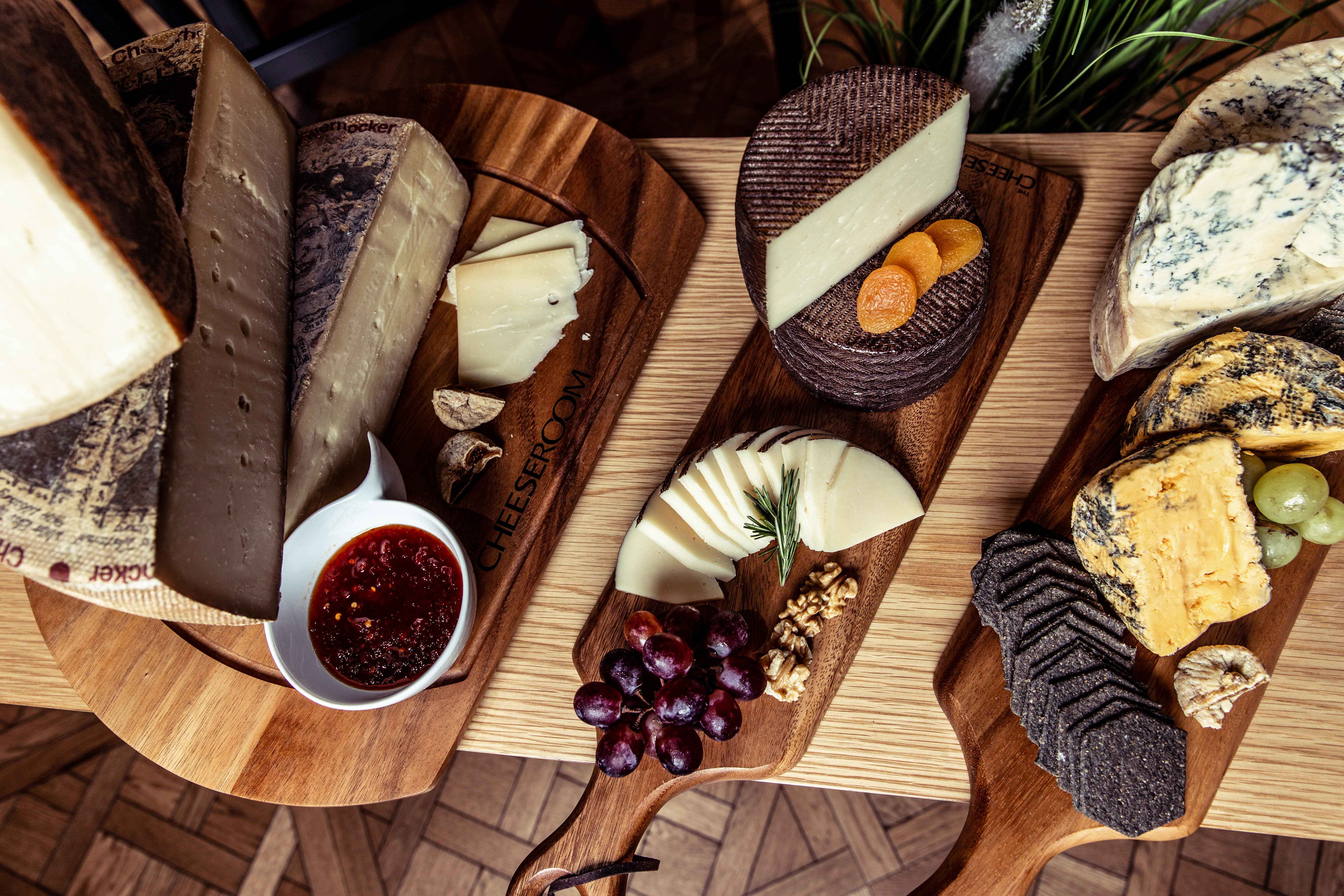
Many premium cheese selections in our cheese room, including hard, semi-hard, soft, and blue varieties, offer rich flavours that allow guests to experience satisfaction with thoughtful portions. The principle of mindful indulgence aligns with the preferences of many contemporary diners, who seek depth and quality rather than excess.
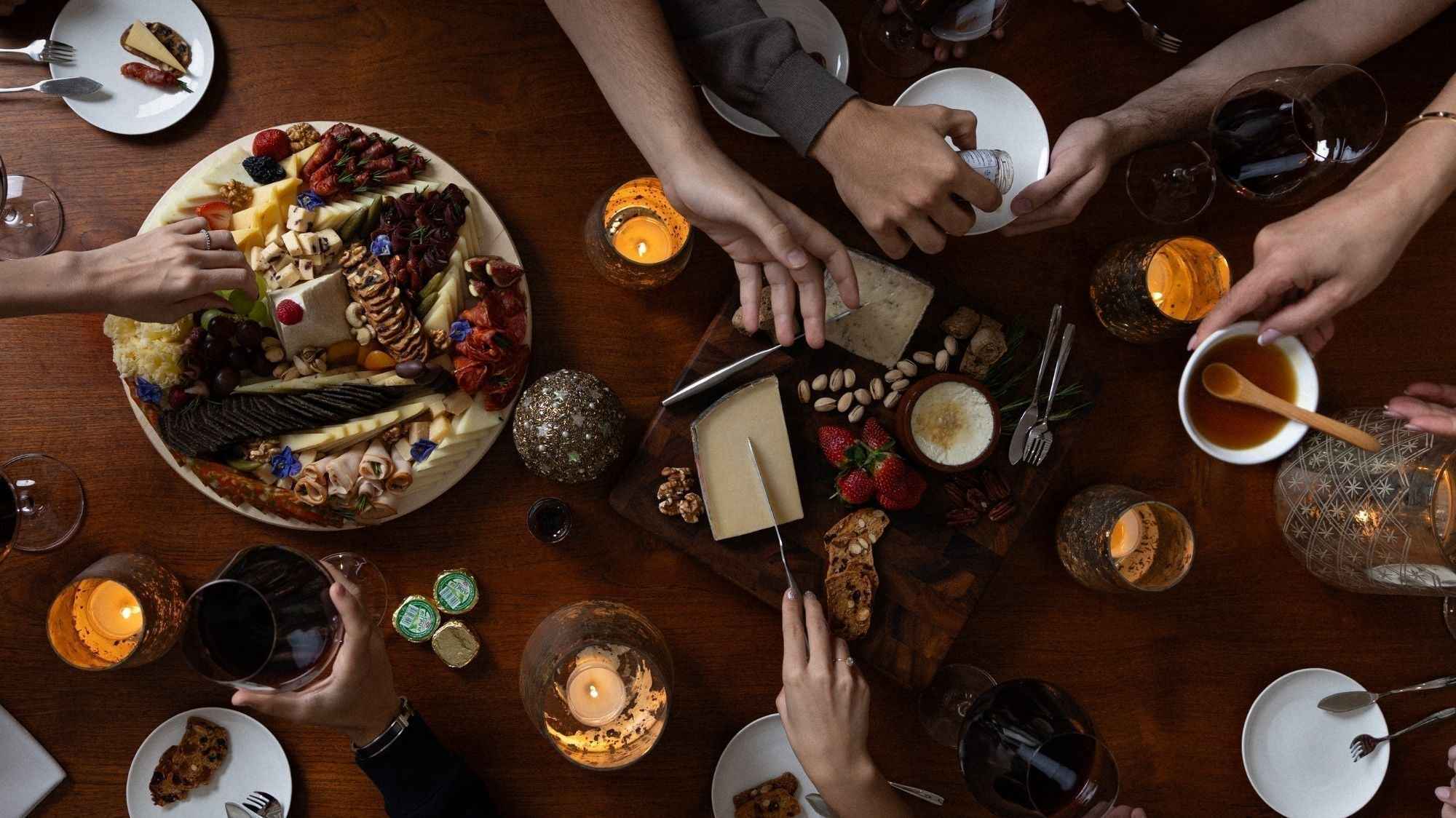
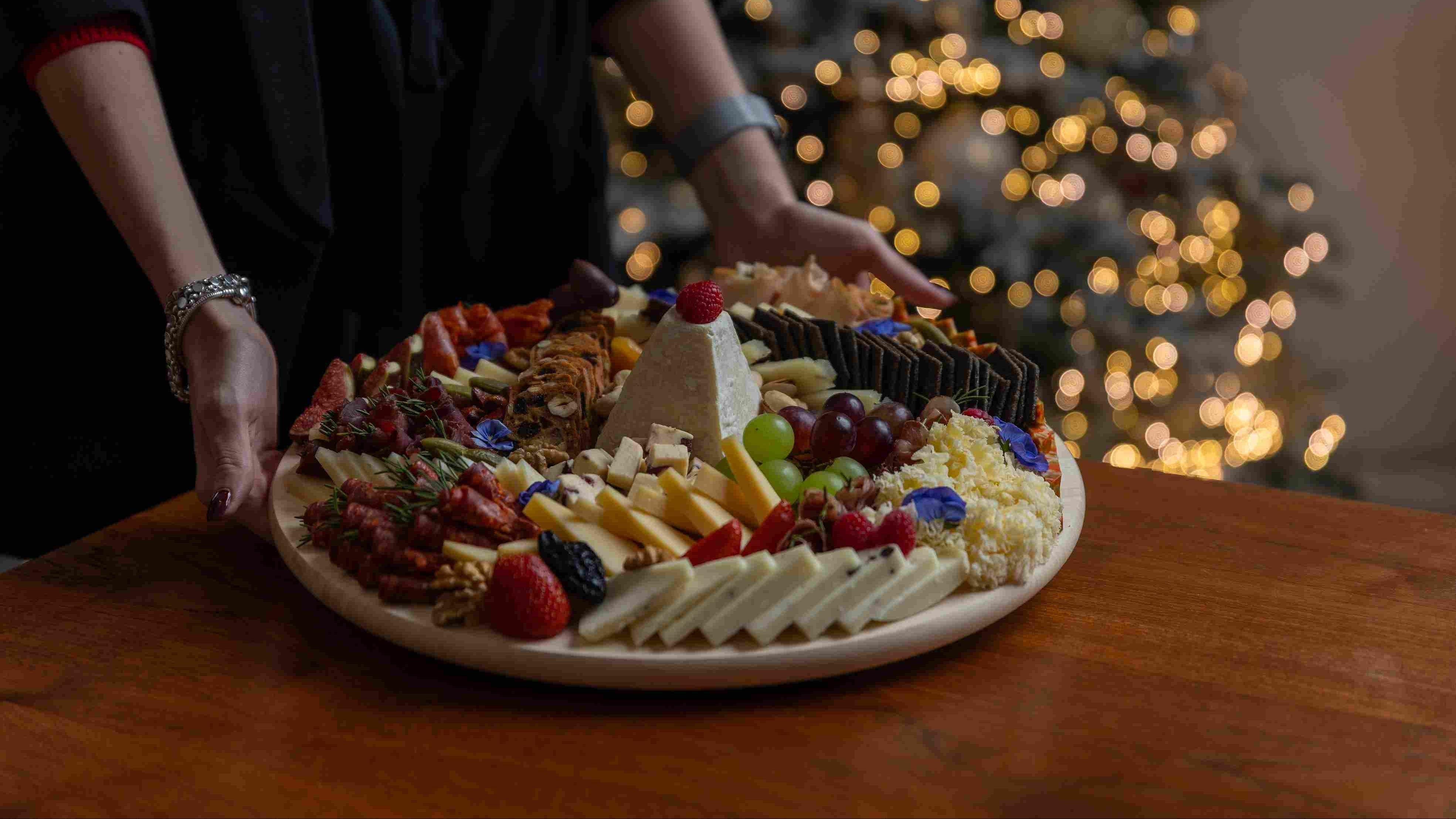
This cultural movement is particularly evident in Dubai, where refined dining and gourmet appreciation intersect with health-conscious decision-making. Cheese platters in Dubai often represent a balance of premium cheese, fresh fruits, nuts, and accompaniments that transform the experience into a mindful and nourishing ritual.
Cheese and Gut Comfort: A Considered Perspective (H3)
As interest in gut health has grown worldwide, fermented foods have taken on new cultural relevance. Cheese, particularly aged varieties, has been recognised across research communities for its enzymatic transformation during maturation. While The Cheeseroom does not offer medical advice, we recognise that many guests find aged cheeses pleasantly digestible.
During ageing, lactose levels naturally diminish, and the cheese develops a more complex structure created by natural microbial activity. This can make certain cheeses well-suited for individuals who prefer fermented or gently matured foods. Again, these observations are not presented as health recommendations but as reflections of well-studied cheese characteristics that have emerged across centuries of traditional craftsmanship.
Cheese and Dental Considerations: A Historically Noted Relationship (H3)
Cheese has also been mentioned in discussions related to dental well-being. Historical culinary texts, particularly from Europe, highlight cheese as a food enjoyed at the end of meals due to its pleasant mouthfeel and its perceived ability to conclude dining with comfort. Some nutritional bodies around the world have noted cheese’s natural mineral composition, especially calcium and phosphorus, which are associated with maintaining normal teeth when consumed in a balanced diet.
Our approach at The Cheeseroom is to explore these associations as cultural and historical observations rather than as clinical claims. Cheese’s long-standing presence at the end of meals, especially in French and Mediterranean dining, reflects both tradition and the sensory pleasure of concluding culinary experiences with a gentle, satisfying flavour.
The Diversity of Cheese and Its Relationship with Lifestyle Choices
Moderation, Enjoyment, and the Sensory Value of Cheese
One of cheese’s most captivating qualities is its breadth of flavour. From soft and velvety profiles to bold blue cheeses and crystalline aged varieties, cheese delivers sensory satisfaction that resonates across cultures. This satisfaction forms an important part of contemporary well-being discussions, which often emphasise enjoyment, presence, and the cultivation of pleasurable rituals at the table.
Rather than advocating nutritional directives, The Cheeseroom focuses on craftsmanship, quality, and the intrinsic pleasure of tasting. Our premium artisanal cheese selection offers guests an opportunity to curate balanced dining moments where flavour, texture, and cultural heritage coexist harmoniously.
Many guests who visit our cheese shops in Dubai, whether at Nakheel Mall (Palm Jumeirah), Mall of the Emirates (Al Barsha), or City Centre Mirdif (Mirdif), describe their cheeseboards not merely as indulgent but as a form of mindful gastronomy that aligns with their lifestyle values. In this way, cheese becomes not only a food but also a moment of ceremony and connection.
Cheese in Dubai’s Culinary and Wellness Culture
Dubai’s food culture is distinguished by its global influences, pursuit of excellence, and appreciation of refined gastronomic experiences. This environment has elevated artisanal cheese to a prominent role within the city’s dining scene. Guests seeking nutritious foods, premium cheese, or curated cheese platters in Dubai often gravitate to The Cheeseroom for guidance, discovery, and storytelling.
Our boutiques blend knowledge with hospitality, allowing guests to explore cheese with confidence and awareness of our guests’ personal preferences. For some, this may involve selecting lighter, fresh cheeses. For others, it may involve savouring mature varieties known for their complexity and depth.
The diversity of cheese ensures that it remains relevant to a wide array of lifestyle choices, from culinary exploration to mindful eating practices.
The Cheeseroom Perspective
Guiding Guests with Responsibility, Knowledge, and Refinement
At The Cheeseroom, our role is to curate the finest artisanal cheeses from globally revered cheese farms and to present them with a level of refinement worthy of their craftsmanship. When conversations arise regarding nutritional qualities or the perceived health benefits of cheese, our approach remains educational, balanced, and responsible.
We emphasise tradition, origin, and artisanal techniques. We guide guests in exploring premium cheese selections that align with their palate, their dining context, and their preferences. Our private tastings, cheese boards, and curated cheese platters are designed to harmonise pleasure with thoughtfulness.
Cheese as an Experience of Culture and Well-being
While cheese is not a medical food and should never be treated as such, it possesses qualities that contribute to enjoyment, social connection, and culinary appreciation. Within Dubai’s dynamic dining environment, these elements are increasingly recognised as components of modern well-being.
By bringing together craftsmanship, sensory pleasure, and informed curation, The Cheeseroom offers guests an encounter that transcends nutrition. Each tasting, pairing, and cheeseboard becomes an experience shaped by heritage, artistry, and the enduring relationship between food and culture.
A Considered Understanding of Cheese and Well-being
Cheese occupies a fascinating place within the evolving conversation on nourishment and well-being. Its historical importance, natural composition, and artisanal transformations illustrate why it continues to captivate global audiences, particularly within regions that celebrate gourmet food culture, such as Dubai. While The Cheeseroom does not provide medical advice, we acknowledge the interest that many guests have in the nutritional and lifestyle aspects of cheese.
By appreciating cheese through the lens of heritage, balance, and craftsmanship, guests may experience a deeper connection to the foods they enjoy. Our perspective is rooted in respect for tradition and the recognition that pleasure, moderation, and quality are integral to meaningful dining. Whether exploring aged varieties, discovering new taste profiles, or curating cheese platters for gatherings, guests are invited to savour cheese with a spirit of exploration and refinement.
For those who wish to deepen their understanding, our boutiques offer private tasting sessions guided by our expert cheesemongers. Here, you may discover the world of artisanal cheese with thoughtful curation and a refined appreciation for both flavour and well-being.
Frequently Asked Questions
Q: What are the health benefits of cheese when enjoyed as part of a balanced diet?
A: Cheese naturally contains proteins, minerals, and vitamins that support general dietary balance when enjoyed in moderation. Many guests appreciate cheese for its satiating qualities and its rich flavour, which can enhance mindful eating practices.
Q: Is cheese considered a gut friendly food due to its fermentation process?
A: Artisanal cheeses undergo fermentation, a traditional process that transforms milk through natural cultures. While we do not position cheese as a probiotic food, it is widely recognised that aged cheeses contain enzymes and compounds developed during maturation that some individuals may find pleasant and digestible. These qualities reflect the craftsmanship of cheesemaking rather than a clinical benefit.
Q: Which cheeses are easiest to digest for individuals who prefer fermented or aged foods?
A: Aged cheeses, such as hard and semi-hard varieties, often contain lower levels of lactose due to extended maturation. This may make them appealing to guests who enjoy fermented products or naturally matured foods.
Q: Does cheese support dental health when included in a balanced eating pattern?
A: Cheese contains naturally occurring calcium and phosphorus, minerals associated with maintaining normal teeth when consumed as part of a balanced diet. Historically, many cultures concluded meals with cheese for its pleasant mouthfeel and satisfying finish. These observations are culinary in nature rather than medical advice, reflecting longstanding traditions across Europe and the Middle East.
Q: Are there healthier cheese options for guests looking for nutritious foods in Dubai?
A: Guests seeking lighter or nutritious cheese options often explore fresh cheeses, soft goat cheeses, or gently aged varieties. Others may prefer mature cheeses for their depth of flavour and concentrated taste, which can encourage mindful portioning.
Q: How does artisanal cheese differ from commercial cheese in terms of nutritional qualities?
A: Artisanal cheese is typically crafted with fewer processed elements and relies on traditional methods, natural cultures, and slow maturation. This can result in more nuanced flavours and, in many cases, a simpler ingredient profile. While nutritional values vary by style, artisanal cheese is often appreciated for its authenticity, quality, and craft-driven production rather than nutritional superiority.
Q: Which diets are suitable for someone who wants to enjoy cheese?
A: Cheese can complement a variety of contemporary dietary preferences, depending on the style of cheese selected and the individual’s personal approach to balance. Many guests who follow Mediterranean-inspired eating habits appreciate cheese for its depth and its role in traditional culinary cultures. Others who explore high-protein or lower-carbohydrate diets gravitate toward aged or hard cheeses due to their naturally concentrated composition. Fresh cheeses may appeal to those who prefer lighter and more delicate options.